



Now Reading: Why Your Electrical Panel Is the Heart of Your Home
-
01
Why Your Electrical Panel Is the Heart of Your Home





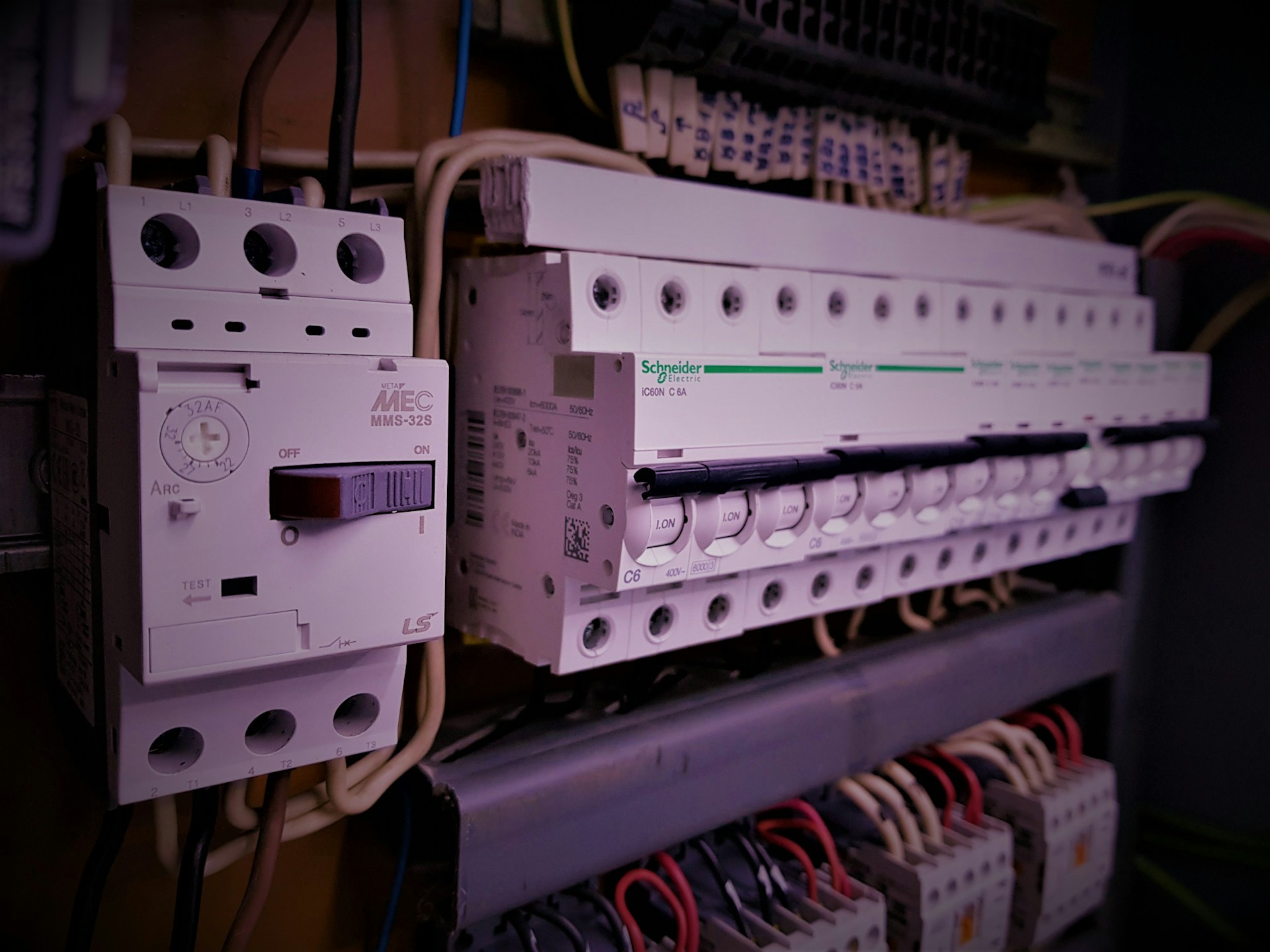
Most homeowners spend time upgrading kitchens, refreshing bathrooms, or improving curb appeal. Rarely does the electrical panel come to mind—until something goes wrong. A tripped breaker, flickering lights, or a hum from the utility room are easy to dismiss. But these are often early signals that a home’s electrical system is struggling to keep pace with modern demands.
The electrical panel is the central hub that receives power from the utility grid and distributes it to every circuit, outlet, and appliance in your home. When it’s functioning well, you never think about it. When it isn’t, the consequences range from minor inconvenience to serious safety risk. Understanding the benefits of modernizing this critical system can help homeowners make smarter, safer decisions about their property.
What Does an Electrical Panel Actually Do?
How power gets distributed throughout your home
Power enters your home through the utility meter and flows directly into the electrical panel—sometimes called the breaker box or load center. From there, it’s divided into individual circuits, each protected by its own breaker. Every room, appliance, and fixture draws power through one of these circuits.
When a circuit is overloaded or a fault occurs, the breaker is designed to trip and cut off the flow of electricity. This automatic shutoff prevents wiring from overheating, which is the leading cause of residential electrical fires.
Why older panels struggle with modern demands
Panels installed 30 to 40 years ago were sized for a very different household. Homes of that era had far fewer high-draw devices—no electric vehicle chargers, no whole-home smart systems, no high-efficiency HVAC units. Many older panels were designed to handle 60 to 100 amps. Today’s homes regularly require 150 to 200 amps or more.
When the system is stretched beyond its capacity, problems start to appear. Breakers trip frequently. Lights dim when large appliances kick on. Some rooms may lose power intermittently. These aren’t just annoyances—they’re indicators that the home’s electrical infrastructure needs attention.
Key Signs It’s Time to Upgrade Your Panel
Frequent tripping and overloaded circuits
A circuit breaker that trips once is doing its job. A breaker that trips repeatedly under normal conditions is a sign of a deeper issue. It may be undersized for the load it’s carrying, or the panel itself may lack the capacity to handle the home’s total demand. Adding more circuits won’t solve the problem if the panel can’t support them.
Watch for these warning signs:
- Breakers that trip regularly, especially in the kitchen or laundry room
- Outlets that spark or feel warm to the touch
- Lights that flicker or dim when appliances run
- A burning smell near the panel or outlets
- Multiple appliances running on the same circuit
Visible Wear, Rust, or Outdated Equipment
Older panels—particularly those manufactured by certain brands now known for safety issues—may pose risks regardless of how well they appear to function. Rust, corrosion, scorching around breakers, or wiring that looks discolored are all red flags. Some panels still in use today were recalled decades ago, though many homeowners are unaware.
If your home still has a fuse box rather than a modern breaker panel, or if the panel uses Federal Pacific or Zinsco breakers, a professional inspection is strongly recommended.
Safety Benefits of a Modern Electrical Panel
Reduced Fire and Shock Risk
Electrical failures are a leading cause of house fires in the United States. Modern panels are engineered with multiple layers of protection—including arc-fault circuit interrupters (AFCIs) and ground-fault circuit interrupters (GFCIs)—that detect dangerous conditions and shut circuits down before damage occurs. Older panels often lack these safeguards entirely.
An electrical panel upgrade replaces aging components with current technology, significantly reducing the risk of arcing, overheating, and shock. That’s not a minor improvement—it’s a fundamental change in how the home manages electrical risk.
Code Compliance and Insurance Advantages
Building codes evolve to reflect new safety research. A home with an outdated panel may not meet current National Electrical Code (NEC) standards, which can create complications during a sale, a renovation permit, or an insurance claim.
Some insurers charge higher premiums—or decline coverage altogether—for homes with known electrical deficiencies. Upgrading to a compliant, modern panel can make the home easier to insure and may reduce annual premiums.
How a Panel Upgrade Supports Today’s Energy Demands
Powering Smart Home Technology
Smart thermostats, home security systems, automated lighting, and whole-home audio all place ongoing demands on the electrical system. While each device may draw relatively little power on its own, the combined load adds up quickly—particularly in homes where these systems run continuously.
A modern panel is designed to accommodate this complexity, with enough circuit capacity to keep every system running without interference. Dedicated circuits for specific devices also improve reliability and reduce the chance of one system disrupting another.
Supporting EV Chargers and High-Draw Appliances
The shift toward electric vehicles has changed what homeowners expect from their electrical systems. A Level 2 EV charger typically requires a dedicated 240-volt circuit. Many older panels simply don’t have the capacity to support one without first completing a broader home electrical upgrade.
The same applies to modern appliances—induction cooktops, heat pump dryers, whole-home generators, and high-efficiency HVAC systems all require dedicated circuits and adequate amperage. Planning for these additions now, rather than retrofitting later, saves time and money.
Impact on Home Value and Energy Efficiency
Boosting Resale Appeal
Buyers and their home inspectors pay close attention to the electrical panel. An outdated or undersized panel is a common negotiating point—and sometimes a dealbreaker. Homes with updated electrical systems tend to move through the inspection process more smoothly and often command stronger offers.
For sellers, a modern panel signals that the home has been properly maintained and is ready for contemporary living. That perception of care and readiness carries real weight in competitive markets.
Lower Long-Term Maintenance Costs
Electrical problems have a compounding quality. A panel operating near its limits puts stress on wiring, outlets, and appliances throughout the home. Devices may fail sooner than expected. Repairs become more frequent. Over time, the cost of managing an overtaxed system often exceeds the cost of addressing the root cause directly.
A well-sized, properly installed panel reduces that stress across the board. Circuits carry loads they were designed for. Breakers trip only when they should. Appliances run without the voltage fluctuations that cause premature wear.
What to Expect During the Upgrade Process
Assessment and Planning
A qualified electrician will start by evaluating the current panel, calculating the home’s total load, and identifying any immediate safety concerns. This assessment determines the appropriate panel size, the number of circuits needed, and whether the service entrance—the wiring between the meter and the panel—also needs to be upgraded.
Homes with specific planned additions, such as EV chargers or major appliances, should communicate those needs upfront. Sizing the panel correctly from the start avoids costly modifications down the line.
Installation and Inspection
The installation itself typically takes one day for a standard panel replacement, though more complex projects may require additional time. During the work, power to the home will be temporarily shut off. Once complete, the new panel must be inspected by the local authority having jurisdiction (AHJ) and approved before the service is restored.
A licensed electrician manages permitting and coordinates with the utility company as needed—a step that ensures the work meets code and is properly documented for future reference.
Invest in the Infrastructure That Powers Everything
The electrical panel isn’t a flashy upgrade. It doesn’t change how a home looks or feels in any obvious way. But it governs how safely and reliably every other system in the house operates—from the refrigerator to the home office to the EV charging in the garage.
Modernizing this system is one of the most practical investments a homeowner can make. It improves safety, supports current and future technology, strengthens resale value, and reduces the likelihood of costly electrical problems down the road.
For homeowners in the Tacoma, Puyallup, and Graham areas, worleywiring.com offers free estimates and safety evaluations from a licensed, bonded, and insured residential electrician with over 20 years of experience. Getting a professional assessment is the clearest first step toward a safer, more capable home electrical system.










Share
Related Posts



Stay Informed With the Latest & Most Important News