




Now Reading: The Art of Modern Style: How to Choose Furniture That Lasts
-
01
The Art of Modern Style: How to Choose Furniture That Lasts





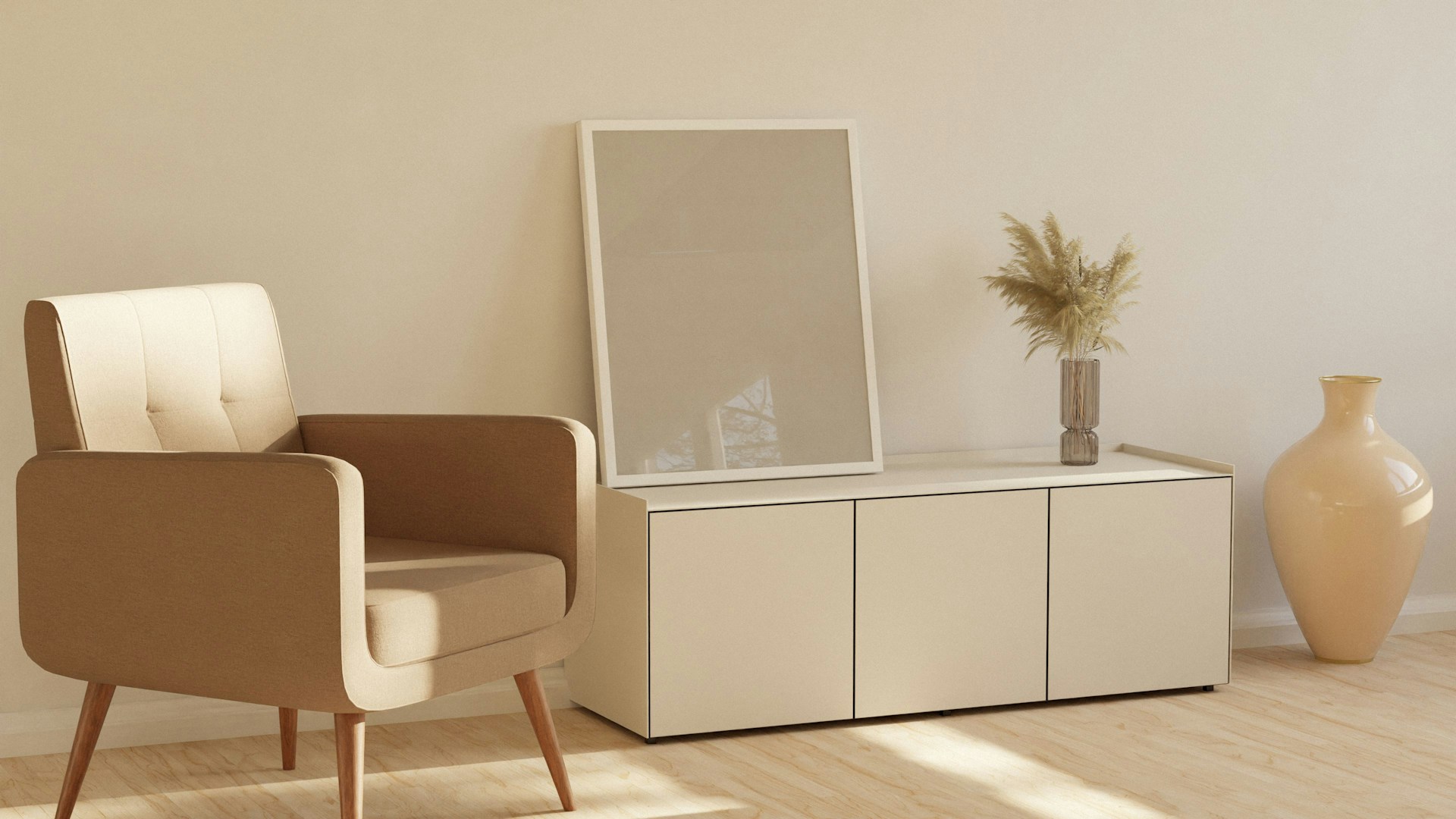
The way we furnish our homes says a lot about how we live. Pull back the curtain on any well-designed space, and you’ll find deliberate choices—pieces that do more than fill a room. They set a mood, anchor a layout, and quietly communicate a sense of taste. That’s the promise behind modern home furniture: function elevated by form.
But with so many styles, materials, and price points competing for attention, knowing where to start can feel overwhelming. This guide breaks down the most popular modern furniture styles, what makes each one distinct, and how to find the pieces that will genuinely improve your space—not just decorate it.
What Defines a Modern Furniture Style?
“Modern” gets used loosely, but in design terms, it points to something specific. Modern furniture typically emerged from early-to-mid 20th-century movements that prioritized function over ornament, clean geometry over decorative excess, and honest use of materials. Today, the term encompasses a broader family of styles—all of which share a commitment to clarity, craftsmanship, and purposeful design.
What they have in common:
- Intentional silhouettes: Shapes that serve the piece’s function without unnecessary embellishment
- Quality materials: Natural woods, metals, leather, and performance fabrics that age well
- Neutral or restrained palettes: Colors that allow form to do the talking
- Longevity over trend: Pieces designed to outlast seasonal cycles
Contemporary Furniture: Style That Moves With the Times
Unlike “modern,” which is rooted in a specific historical period, contemporary furniture reflects what’s happening right now. It borrows from multiple movements and adapts them to current sensibilities—so it tends to be softer and more flexible than strict modernism.
Contemporary furniture often features:
- Curved and organic shapes alongside straighter lines
- Mixed materials: Combining wood, metal, glass, and upholstered surfaces in a single piece
- Textural contrast: Pairing matte and gloss finishes, rough and smooth surfaces
- Neutral backdrops with accent moments: A stone-topped table, a sculptural base, or a distinctive fabric
This style suits spaces that feel collected rather than matched—rooms that have evolved thoughtfully over time.
Minimalist Design: More Impact, Fewer Pieces
Minimalist design takes a different approach. The guiding principle is reduction: removing anything that doesn’t serve a clear purpose. What remains is given room to breathe, which is why minimalist interiors often feel calm, open, and visually restful.
This approach demands quality. When fewer things are on display, each one receives more scrutiny. A minimalist dining table, for example, must earn its place through material richness, proportion, and finish—not through decorative detail.
Key characteristics include:
- Low-profile furniture that doesn’t compete with the architectural shell of a room
- A cohesive palette: Whites, grays, warm beiges, and earthy tones
- Storage solutions that disappear: Built-in or streamlined cabinetry that keeps surfaces clear
- Statement materials: A single piece in marble, walnut, or brushed brass can carry an entire room
Minimalist design rewards patience. The best minimalist spaces take time to build because every purchase is deliberate.
Luxury Home Decor: Where Craft Meets Character
At the higher end of modern design sits a category that prioritizes craft above all else. Luxury home decor isn’t defined solely by price—it’s defined by the quality of materials, the precision of construction, and the care that goes into every detail.
Think hand-tufted upholstery, kiln-dried hardwood frames, artisanal finishes applied by hand, and joinery techniques borrowed from fine cabinetmaking. These are pieces built to be passed down, not replaced.
What separates luxury furniture from mass-market alternatives:
- Material integrity: Solid wood over veneers, full-grain leather over bonded alternatives, natural stone over engineered surfaces
- Construction quality: Dovetail joints, eight-way hand-tied springs, seamless upholstery
- Design authorship: Pieces with a clear design perspective rather than generic trend-chasing
- Longevity: A higher upfront investment that eliminates the cost of repeated replacement
Brands like SUNPAN work at this intersection—offering modern home furniture that balances elevated design with construction built to last, across living, dining, bedroom, and outdoor categories.
How to Mix Styles Without Losing Cohesion
Few well-designed spaces commit to a single style rigidly. The most interesting rooms usually pull from several directions. A contemporary sofa pairs with a mid-century side table. A minimalist bedroom gets warmth from a hand-knotted rug and sculptural lighting.
The key to mixing styles successfully:
- Anchor with one dominant style: Let one aesthetic set the tone, then layer others as accents
- Unify through color: A consistent palette can hold disparate styles together
- Respect scale: Pieces should feel proportionate to each other and to the room
- Vary texture, not form: Mixing materials adds richness without visual chaos
- Edit ruthlessly: Every piece added should justify its presence
The goal isn’t a showroom—it’s a space that feels genuinely lived in and personally curated.
Choosing Materials That Age Well
A furniture piece’s material isn’t just an aesthetic choice—it determines how a piece will look and feel five, ten, or twenty years from now. Choosing materials thoughtfully is one of the most important decisions in furnishing a home.
Wood: Solid hardwoods like walnut, oak, and white oak develop character over time. Look for kiln-dried construction and durable finishes that resist scratching and UV fading.
Upholstery: Performance fabrics now rival the look of natural textiles while offering far greater durability. For high-use pieces, look for fabrics rated above 30,000 double rubs. Full-grain leather, when properly maintained, becomes more beautiful with age.
Metal: Powder-coated steel and brushed brass are among the most durable options. Avoid thin chrome plating on load-bearing pieces—it chips and corrodes over time.
Stone: Marble and travertine tabletops are beautiful but porous; seal regularly and handle with care. Sintered stone offers a similar aesthetic with better stain resistance.
Glass: Tempered glass is significantly stronger than standard glass and the appropriate choice for tabletops. Look for polished or beveled edges as a marker of quality.
Where to Start When Furnishing a Modern Space
The temptation when designing a room from scratch is to buy everything at once. Resist it. The spaces that feel most resolved are usually those built incrementally, with each piece considered on its own terms before being placed alongside others.
A practical approach:
- Start with the largest piece: A sofa, bed frame, or dining table sets the proportion and tone for everything else
- Identify the room’s function: How will the space actually be used? Design around behavior, not just aesthetics
- Set a clear palette before purchasing: Determine your dominant neutrals and accent tones before committing to upholstery or finishes
- Budget by priority: Invest most heavily in pieces that receive the most use—seating, mattresses, dining surfaces
- Leave room to evolve: Great rooms aren’t finished all at once; space and time to add the right piece is part of the process
Building a Space That Reflects How You Actually Live
The best modern interiors aren’t styled—they’re inhabited. They carry evidence of real life: a well-worn armchair positioned near a window, a dining table marked by years of shared meals, a reading lamp that has followed its owner through three different homes.
Style and comfort are not opposing forces. The right contemporary furniture, the right materials, and the right approach to curation can give you a home that looks considered and feels genuinely welcoming. That balance—between beauty and livability—is what modern design, at its best, has always been about.
The decision isn’t which style to choose. It’s figuring out which pieces, placed thoughtfully, will make the most of the space and life you already have.










Share
Related Posts


Stay Informed With the Latest & Most Important News