



Now Reading: The Complete Guide to Selecting a Robotics Integrator
-
01
The Complete Guide to Selecting a Robotics Integrator





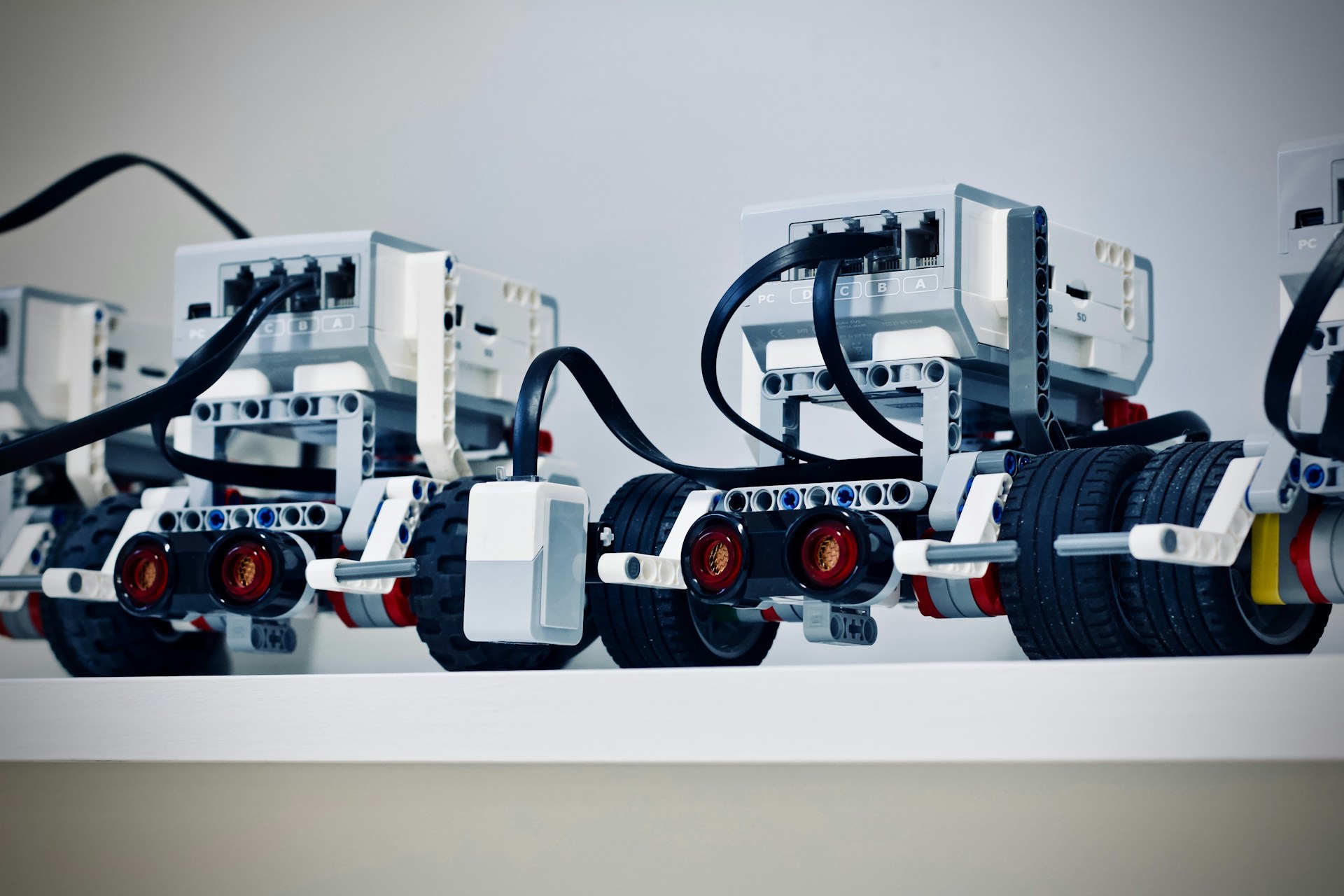
Bringing robots onto your production floor is a major investment—one that can transform your operations or drain your budget, depending on who you work with. The technology itself matters, but the partner you choose to design, install, and support that technology often makes the bigger difference.
The wrong integrator can leave you with equipment that misses your throughput targets, blows past deadlines, or sits idle because nobody knows how to maintain it. The right one becomes a long-term ally who understands your goals and helps you scale. So how do you tell them apart before you sign a contract?
This guide walks through the key factors to weigh when selecting a robotic integration partner. From technical expertise to after-sales support, these are the areas that separate a smooth rollout from a costly headache.
Why Your Choice of Integrator Matters More Than the Robot
It’s tempting to focus on the hardware—the payload, the reach, the cycle speed. But a robot arm is only as good as the system built around it. That’s where robotic integration comes in: the process of designing, programming, and connecting robotics into a working production line.
A skilled integrator handles the parts you can’t buy off a shelf, including:
- System design tailored to your facility and product mix
- Programming and controls that make the equipment do exactly what you need
- Safety compliance to protect workers and meet regulations
- Line balancing so robots work in sync with existing processes
Get this right, and your automation runs like clockwork. Get it wrong, and you may end up paying more to fix problems than you spent installing the system.
Look for Proven Technical Expertise
Not every automation vendor has the depth to handle complex projects. When evaluating potential automation partners, dig into their technical background before anything else.
Ask About Relevant Experience
A partner who has solved problems similar to yours will spot pitfalls early. Ask questions like:
- Have you completed projects in my industry?
- What robot brands and platforms do you work with?
- Can you share case studies with measurable results?
Check Their Engineering Capabilities
Strong integrators employ mechanical, electrical, and controls engineers under one roof. This in-house talent means fewer handoffs, faster problem-solving, and clearer accountability when something needs adjusting.
Evaluate Their Approach to Industrial Robotics Design
A good partner doesn’t push a one-size-fits-all solution. Instead, they take time to understand your production goals, then design around them.
During early conversations, pay attention to how they approach the work:
- Do they ask detailed questions about your current process?
- Do they map out throughput, footprint, and future capacity?
- Do they explain trade-offs clearly instead of overselling?
Companies that specialize in industrial robotics, such as Boston Conveyor & Automation, tend to treat design as a collaborative process rather than a fixed menu. That mindset usually signals a partner who will adapt as your needs change.
Assess Project Management and Communication
Even the most technically gifted team can stumble without solid project management. A complex automation build involves dozens of moving parts, tight timelines, and multiple stakeholders.
Signs of Strong Project Management
- A clear, documented project timeline
- A single point of contact who keeps you informed
- Regular progress updates and milestone reviews
- Honest conversations about risks and delays
Red Flags To Watch For
- Vague answers about scheduling
- Slow responses during the sales process
- Reluctance to put commitments in writing
How a partner communicates before the contract is often a preview of what you’ll experience throughout the project.
Prioritize Safety and Compliance Standards
Robots and people working side by side demand rigorous safety planning. A reliable integrator builds safety into the design from day one—not as an afterthought.
Look for partners who:
- Follow recognized standards such as ANSI/RIA and ISO guidelines
- Conduct thorough risk assessments before installation
- Install proper guarding, sensors, and emergency stops
- Train your team on safe operation
Skimping on safety exposes your business to injuries, fines, and downtime. A partner who treats it seriously protects both your workers and your bottom line.
Confirm Long-Term Support and Training
Installation day is the beginning, not the end, of your relationship with an integrator. Equipment needs maintenance, operators need training, and production needs evolve
Questions To Ask About Ongoing Support
- What does your warranty cover, and for how long?
- Do you offer remote diagnostics or on-site service?
- How quickly can you respond to a breakdown?
- Will you train our staff to run and maintain the system?
A partner invested in your success sticks around long after the final invoice. Reliable after-sales support keeps your line running and helps you get the most from your investment.
Weigh Scalability and Future Readiness
Your business won’t stand still, and neither should your automation. The best partners design systems that grow with you.
Before committing, consider:
- Modular design that allows you to add capacity later
- Flexible programming to accommodate new products
- Open architecture that avoids locking you into one vendor
A forward-thinking integrator plans for tomorrow’s needs, not just today’s order volume. This foresight saves you from expensive overhauls down the road and keeps you competitive as demand shifts.
Making the Final Decision
Choosing the right integrator comes down to far more than price or a polished sales pitch. The strongest partnerships bring together technical skill, clear communication, rigorous safety practices, and genuine long-term support—qualities that separate a true partner from a simple vendor.
As you weigh your options, keep the essentials front of mind. Look for proven expertise in your industry, a collaborative and tailored design approach, and transparent project management.
Just as important are strong safety and compliance standards, dependable ongoing support and training, and the flexibility to scale as your business grows.
Take your time, ask the hard questions, and request references from past clients. The effort you invest now will pay off later through smoother production, fewer surprises, and a system that delivers real value for years to come.
When you find a partner who checks every box, you’ll have gained something far greater than a supplier—you’ll have built a foundation for lasting growth.










Share
Related Posts



Stay Informed With the Latest & Most Important News